EASTGATEH2V Valley Seals First Year of Deployment in Europe
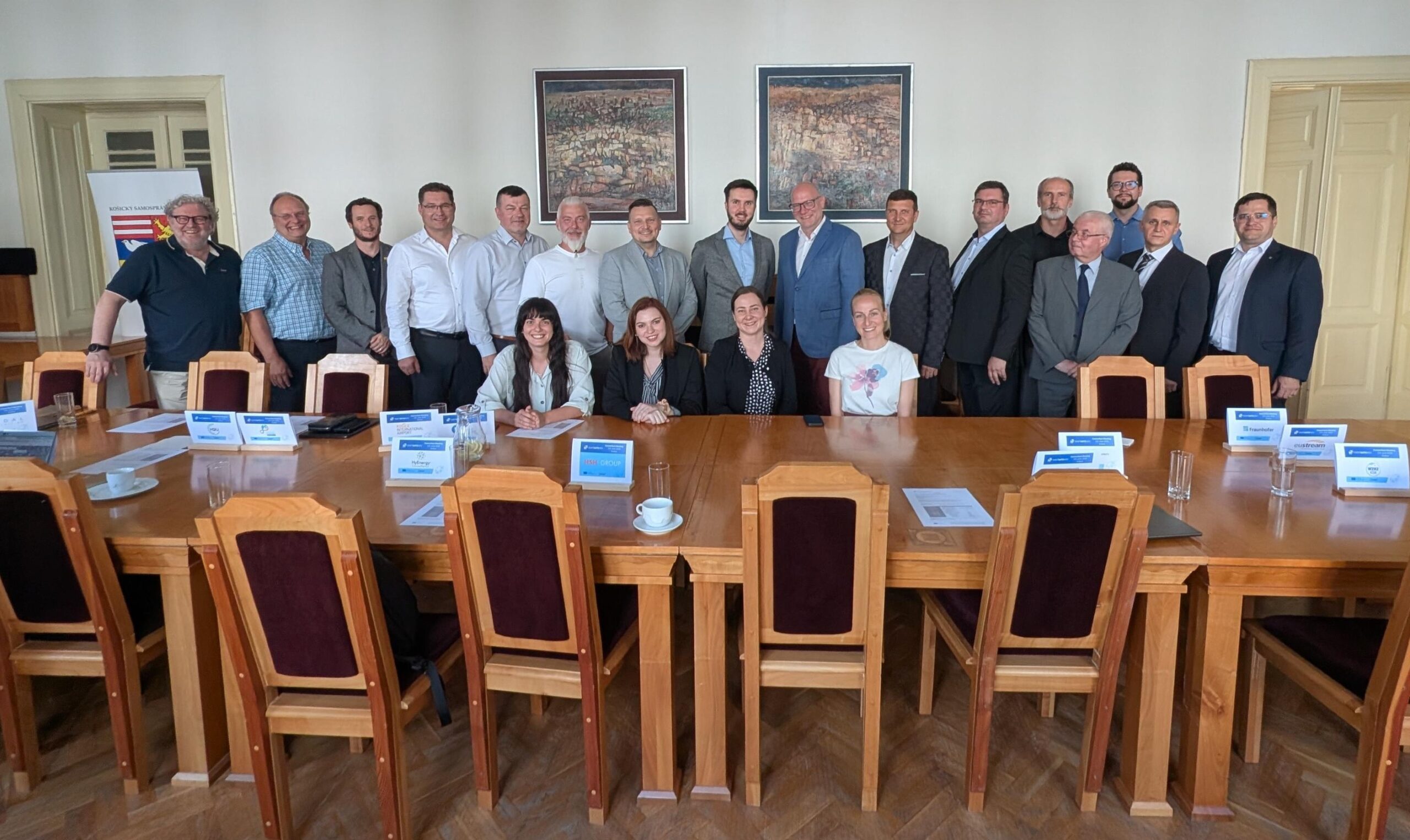
Great energy maps are not drawn overnight; they are built on technical consensus, impact analysis, and a dense network of conceptual pipelines that precede the physical ones. The EASTGATEH2V project, one of the most ambitious cross-border vectors for energy cohesion in Europe, has officially closed its first year of operations. To evaluate this milestone and establish the roadmap for physical deployment, partners from the seven consortium nations met in person in Košice (Slovakia), the coordinating region acting as the epicenter of this emerging ecosystem.
Over three intense days (June 2–4), working sessions at the headquarters of the Košice Self-Governing Region served to validate the project's foundational phase. This inaugural year was defined by critical, behind-the-scenes spadework: technical and regulatory preparation, active engagement of local and global stakeholders, and the strengthening of internal governance across the multi-country consortium.
Driving the development of hydrogen valleys in Central Europe
With the analytical phase successfully concluded, the project’s second year marks the beginning of tangible execution. The consortium’s strategic objectives are now shifting toward detailed engineering and physical implementation within the European hydrogen ecosystem:
-
Infrastructure and Applications: Formally transitioning into the deployment phase for clean hydrogen production, storage, and logistical systems.
-
Comprehensive Impact Assessment: Rigorous measurement of socio-economic variables and the environmental footprint of the valley across the involved territories.
-
European Network Integration: Intensifying knowledge transfer and exchange of experiences with other established hydrogen valleys in the European Union.
The Impact of the EASTGATEH2V Project
Interconnecting regional energy hubs reduces fossil fuel dependency in critical industrial areas, positioning the development of hydrogen valleys like EASTGATEH2V as a cornerstone for Central and Eastern Europe's green transition.
Energy Diplomacy on the Ground
The chronicle of this summit leaves behind not only technical certainties but also the enduring value of proximity diplomacy. Following the intense debates in the meeting rooms, partners continued their discussions in a historic setting: the iconic Pivovar Hostinec, one of the oldest operating restaurants in Slovakia. This proved that the bonds of trust between international partners remain the true fuel accelerating technological transitions.
The foundations for interregional decarbonization are firmly laid; year one of EASTGATEH2V’s physical reality is officially underway.