H2V-Knowledge-Centre

Clean Hydrogen Partnership launches H2V Knowledge Centre to accelerate hydrogen valleys

The European strategy for creating Hydrogen Valleys has received a significant boost with the introduction of the H2V Knowledge Centre by the Clean Hydrogen Partnership (CHP). This online knowledge hub is the missing piece needed to create operational synergy between existing and upcoming projects.

This repository is a sister initiative to the Project Development Assistance (PDA), managed by prestigious consortia such as Roland Berger and Worley. The information contained in the H2V Knowledge Centre—from business models and regulatory frameworks to detailed case studies—is curated to maximize the effectiveness of the technical assistance provided by the PDAs. The goal is clear: to standardize and professionalize the execution of the Valleys.

What Will You Find in the Knowledge Centre?

The H2V Knowledge Centre is structured to be the reference source for project developers, investors, and policymakers, ensuring that decisions are based on validated data and real-world hydrogen industry experience.

To Learn More:

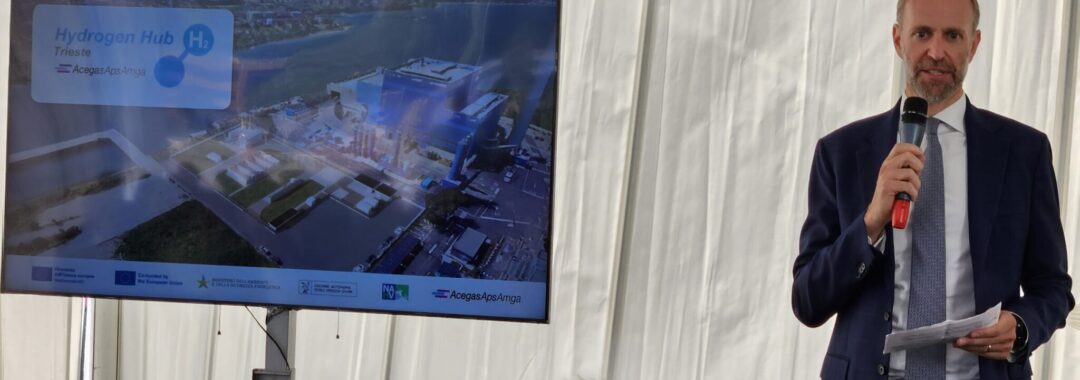
Groundbreaking ceremony for the Trieste Hydrogen Hub

Trieste inaugurates new green hydrogen hub

Trieste has officially initiated construction on a new Green Hydrogen Hub, a key strategic initiative designed to accelerate the energy transition and decarbonize local transport and industries. The groundbreaking ceremony, held on September 18, 2025, marked a significant step toward a sustainable energy future, with top officials and industry leaders in attendance.

The project, spearheaded by AcegasApsAmga, is a concrete move toward creating a robust green hydrogen ecosystem, aligning with the EU’s climate goals and Italy’s national hydrogen strategy. The ultimate goal is to position Trieste as a leading hub for energy innovation.

A Project Focused on Circularity and Innovation

With a total investment exceeding €20 million, the hub is funded through Italy’s National Recovery and Resilience Plan (PNRR) (€15.8 million) and the Horizon EU program (€1.5 million). The project includes a 5 MW electrolysis plant and a 4.8 MW photovoltaic park.

A key feature of the project is its commitment to the circular economy. The electrolysis plant will be located next to Trieste’s waste-to-energy facility, allowing it to recover wastewater from the waste-to-energy process for use in hydrogen production. The solar park will also be built on a former industrial site, contributing to urban renewal.

Expected to produce approximately 370 tonnes of hydrogen per year, the hub will cover the entire value chain—from production and storage to distribution—to create a local market for renewable hydrogen. The plant is scheduled to begin operations in 2026, meeting the PNRR’s demanding deadlines.

Collaboration Beyond Borders

The Hydrogen Hub Trieste is a testament to effective public-private collaboration and an integrated, multidisciplinary approach. This initiative is also a pivotal component of the North Adriatic Hydrogen Valley, Europe’s first cross-border hydrogen agreement, which includes the Friuli Venezia Giulia Region, Slovenia, and Croatia. This wider collaboration involves 37 organizations and 17 pilot projects, aiming to produce 5,000 tonnes of hydrogen annually.

According to Sergio Emidio Bini, Regional Councillor for Economic Development and Tourism, the project shows that a careful, collaborative, and transparent governance model can lead to swift implementation. Roberto Dipiazza, Mayor of Trieste, emphasized that the project is a result of public and private sectors joining forces for the collective interest, further solidifying Trieste’s growing role in Europe’s energy landscape.

Carlo Andriolo, CEO of AcegasApsAmga, summarized the hub’s significance, stating that it’s more than just a production plant; it’s about creating a «true local ecosystem» to accelerate the energy transition.

S3-Hydrogen-Valleys-General-Assembly-in-Brussels-June-2025.

S3 Hydrogen Valleys Partnership kicks off 2025 with General Assembly in Brussels

The S3 Hydrogen Valleys Partnership held its first General Assembly of the year at the Scotland Europa office in Brussels, bringing together regional representatives, hydrogen experts, and institutional stakeholders from across Europe. The hybrid event, also streamed via Teams, marked a key moment for collaboration and strategic alignment in the development of hydrogen valleys.

The session opened with a review of the Partnership’s progress over the past year, followed by the unveiling of an updated governance structure and the presentation of a new Memorandum of Understanding. Attendees also discussed the annual work plan, which outlines priorities for 2025 and beyond.

Five dedicated working groups shared updates on their respective focus areas:  Natural hydrogen,  Mobility, Investment, Communication, Advocacy.

Regional initiatives took center stage, with highlights including the small-scale hydrogen valley in Scotland and the research efforts of the CH2ESS center in Sweden. These examples showcased the diversity and innovation emerging from local ecosystems.

The day concluded with presentations of flagship hydrogen valley projects that exemplify Europe’s commitment to territorial deployment:

  • HySPARK (Poland)
  • EASTGATEH2V (Slovakia)
  • Hi2 Valley (Austria)
  • CyLH2Valley (Spain, Castilla y León)

These projects reflect the growing momentum behind hydrogen valleys as a cornerstone of the EU’s energy transition strategy, reinforcing the role of regions in shaping a climate-neutral future.

📩 Want to learn more or join the Hydrogen Territories Platform? Visit and explore how your region can contribute to the hydrogen economy.